Absolutely! Here’s a 3000-word article about smartphone games, with list items converted to headings (
and
).
The smartphone, once a mere communication device, has morphed into a powerful entertainment hub, with mobile gaming leading the charge. From casual puzzlers to immersive RPGs, the sheer diversity of titles available is staggering. This evolution has not only transformed how we spend our leisure time but has also reshaped the gaming industry itself. Let’s delve into the multifaceted world of smartphone gaming, exploring its history, genres, impact, and future.

The journey of smartphone gaming is a testament to technological advancement and creative innovation.
Early Beginnings: Pre-Smartphone Era
Simple Games on Feature Phones
Before the advent of smartphones, feature phones offered rudimentary gaming experiences. Games like “Snake” became iconic, demonstrating the potential for portable entertainment. These early titles were often monochrome and simple, limited by the hardware capabilities of the time.
Java Games and WAP Technology
As mobile technology progressed, Java-based games and WAP (Wireless Application Protocol) services introduced a wider range of titles. Though still basic, these games laid the foundation for the more complex experiences to come.
The Smartphone Revolution: A Paradigm Shift
The App Store and Android Market
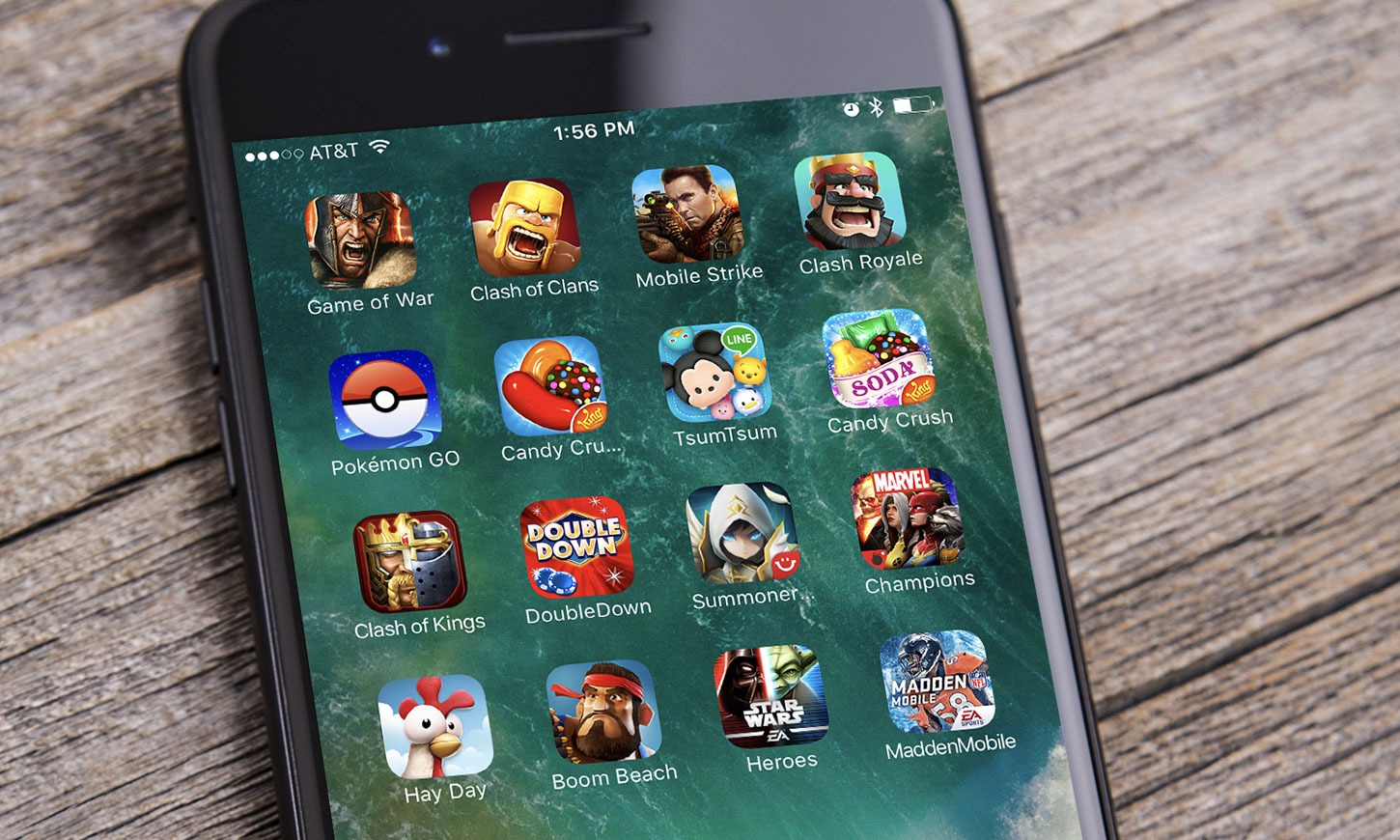
The launch of Apple’s App Store in 2008 and Google’s Android Market shortly after marked a turning point. These platforms provided a centralized distribution system, making games easily accessible to millions of users.
Touchscreen Controls and Intuitive Gameplay
The introduction of touchscreen controls revolutionized mobile gaming. Intuitive interactions allowed for innovative gameplay mechanics, making games more engaging and accessible.
Freemium Model and Microtransactions
The freemium model, where games are free to download but offer in-app purchases, became the dominant monetization strategy. This model democratized gaming, allowing more people to play, while also generating substantial revenue for developers.
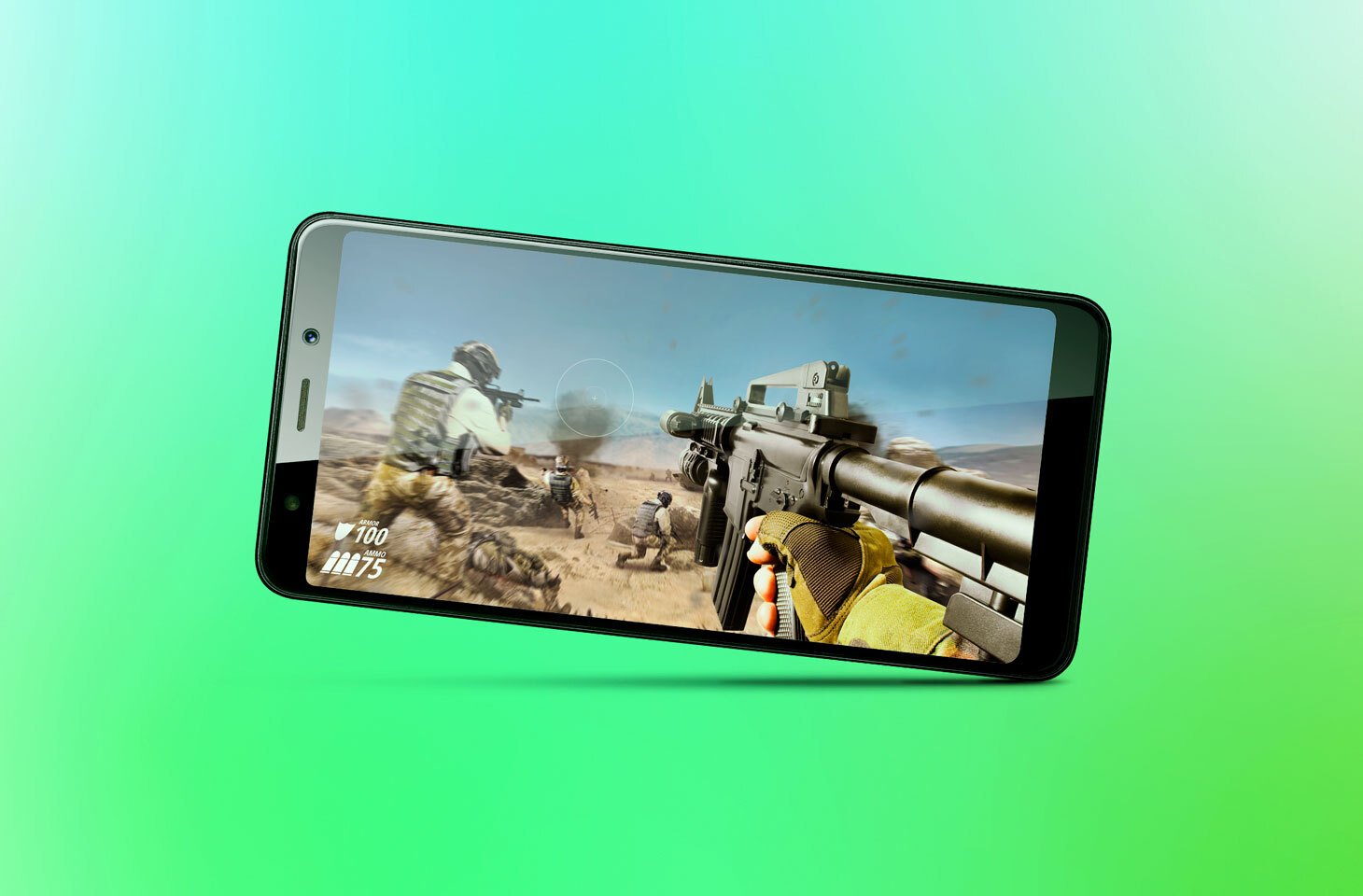
Smartphone gaming caters to a vast audience with a multitude of genres.
Casual Games: Quick Bursts of Fun
Puzzle Games: Brain Teasers on the Go
Games like “Candy Crush Saga” and “Tetris” offer simple yet addictive gameplay, perfect for short breaks. Their accessibility and ease of play have made them immensely popular.
Endless Runners: Adrenaline-Fueled Action
“Temple Run” and “Subway Surfers” exemplify the endless runner genre, where players navigate obstacle courses, striving for high scores. These games offer fast-paced, reflex-based challenges.
Hypercasual Games: Simplicity at Its Finest
Hypercasual games are characterized by their extremely simple mechanics and instant playability. They are designed for short, engaging sessions and often rely on minimalist graphics.
Mid-Core Games: Deeper Engagement
Strategy Games: Tactical Thinking and Planning
“Clash of Clans” and “Rise of Kingdoms” offer strategic gameplay, where players build and manage virtual empires. These games require strategic thinking and long-term planning.
Role-Playing Games (RPGs): Immersive Storytelling
Mobile RPGs like “Genshin Impact” and “Final Fantasy Brave Exvius” provide rich narratives and deep character progression. They offer immersive worlds and complex gameplay systems.
Card Games: Strategic Deck Building
“Hearthstone” and “Magic: The Gathering Arena” bring the strategic depth of trading card games to mobile devices. These games involve collecting cards, building decks, and engaging in strategic battles.
Hardcore Games: Console-Quality Experiences
First-Person Shooters (FPS): Intense Action
“Call of Duty: Mobile” and “PUBG Mobile” deliver console-quality FPS experiences on smartphones. These games offer intense multiplayer action and competitive gameplay.
Massively Multiplayer Online Role-Playing Games (MMORPGs): Persistent Worlds
“Black Desert Mobile” and “Lineage 2: Revolution” offer vast, persistent worlds where players can interact with thousands of others. These games provide deep social experiences and extensive character customization.
Racing Games: High-Speed Thrills
“Asphalt 9: Legends” and “Real Racing 3” offer stunning graphics and realistic racing experiences. These games provide high-speed thrills and competitive multiplayer modes.
Smartphone gaming has had a profound impact on various aspects of society.
Economic Impact: A Multi-Billion Dollar Industry
Revenue Generation and Job Creation
The mobile gaming industry generates billions of dollars in revenue annually, creating numerous jobs in development, marketing, and esports.
Esports and Competitive Gaming
Mobile esports has emerged as a significant force, with tournaments attracting large audiences and offering substantial prize pools. Games like “PUBG Mobile” and “Mobile Legends: Bang Bang” have thriving competitive scenes.
Social Impact: Connecting and Engaging
Social Interaction and Community Building
Multiplayer games foster social interaction and community building, allowing players to connect with friends and strangers from around the world.
Accessibility and Inclusivity
Smartphone gaming has made gaming more accessible to a wider audience, including those who may not have access to traditional gaming consoles or PCs.
Psychological Impact: Benefits and Concerns
Cognitive Benefits: Problem-Solving and Strategic Thinking
Many games can enhance cognitive skills, such as problem-solving, strategic thinking, and hand-eye coordination.
Potential Concerns: Addiction and Excessive Screen Time
However, excessive gaming can lead to addiction and other negative consequences, such as sleep deprivation and social isolation.
The future of smartphone gaming is bright, with ongoing technological advancements and evolving trends.
Cloud Gaming: Streaming High-End Titles
Access to Console-Quality Games on Mobile
Cloud gaming services like Xbox Game Pass Ultimate and GeForce Now allow players to stream high-end console and PC games on their smartphones, eliminating the need for powerful hardware.
Reduced Latency and Improved Performance
Advancements in cloud infrastructure and 5G technology are reducing latency and improving performance, making cloud gaming a viable option for mobile gamers.
Augmented Reality (AR) and Virtual Reality (VR): Immersive Experiences
AR Games: Blending the Real and Virtual Worlds
AR games like “Pokémon GO” overlay virtual elements onto the real world, creating immersive and interactive experiences.
VR Games: Fully Immersive Virtual Environments
While still in its early stages, VR gaming on smartphones holds immense potential, offering fully immersive virtual environments.
Artificial Intelligence (AI): Enhanced Gameplay and Personalization
AI-Powered Opponents and Game Mechanics
AI is being used to create more intelligent opponents and dynamic game mechanics, enhancing the overall gameplay experience.
Personalized Recommendations and Content
AI algorithms can analyze player behavior to provide personalized game recommendations and content, improving user engagement.
Cross-Platform Play: Seamless Integration
Playing with Friends on Different Devices
Cross-platform play allows players to play with friends regardless of the device they are using, fostering a more inclusive and connected gaming community.
Seamless Progression and Shared Experiences
Cross-platform integration enables seamless progression and shared experiences across different platforms, enhancing the overall gaming experience.
Smartphone gaming has revolutionized the gaming landscape, offering diverse and accessible entertainment to millions worldwide. From casual puzzlers to hardcore shooters, the sheer variety of titles caters to every taste. The industry’s economic impact, social influence, and ongoing innovations underscore its significance. As technology continues to evolve, smartphone gaming will undoubtedly remain a dominant force in the world of entertainment, providing endless hours of enjoyment for players of all ages.


