
The Ultimate smartphone Battery Life Showdown: 2024’s Powerhouse Devices Compared
The smartphone has become an indispensable tool, a pocket-sized portal to communication, entertainment, and productivity. But all that functionality is for naught if your device dies mid-day. Battery life remains a critical factor for consumers, and manufacturers are constantly striving to improve it. In this comprehensive 3000-word article, we delve deep into the 2024 smartphone landscape, comparing the battery performance of leading devices and exploring the technologies driving these advancements.
Before diving into specific models, it’s essential to understand the key factors that influence battery life.
Milliamperes per Hour (mAh): The Raw Capacity
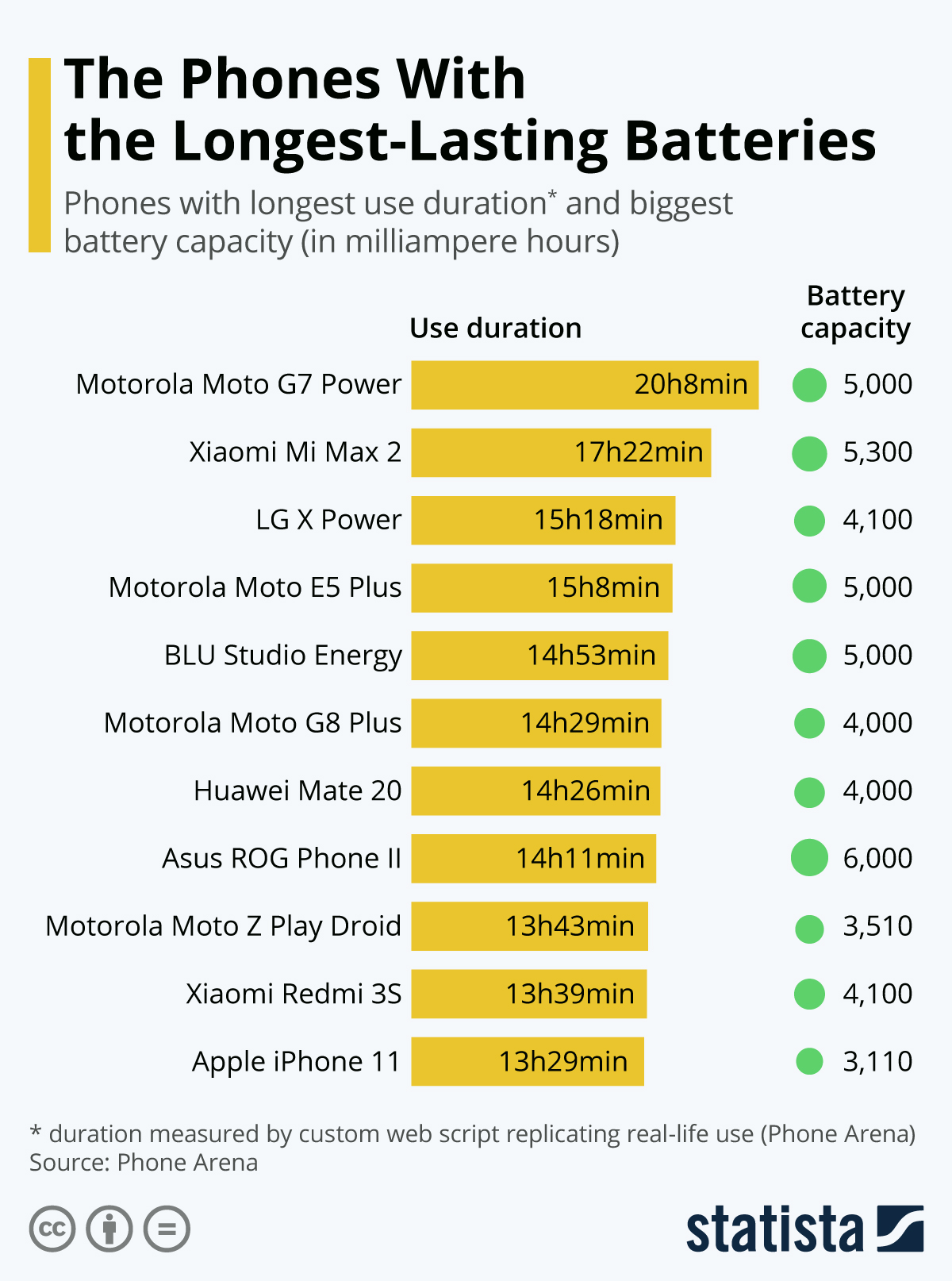
The most commonly cited metric is milliampere-hours (mAh), which represents the battery’s capacity to store electrical charge. A higher mAh rating generally indicates a larger battery and potentially longer usage time. However, it’s not the sole determinant.
Software Optimization: Intelligent Power Management
Operating systems and manufacturer-specific software play a crucial role in battery efficiency. Modern smartphones employ sophisticated algorithms to manage background processes, adjust screen brightness, and optimize power consumption based on usage patterns. Features like adaptive battery settings and power-saving modes can significantly extend runtime.
Chipset Efficiency: The Heart of Power Consumption
The chipset, or system-on-a-chip (SoC), is the brain of the smartphone. Its architecture and manufacturing process directly impact power efficiency. Newer chipsets, built on smaller nanometer processes, are generally more power-efficient, delivering better performance with lower energy consumption.
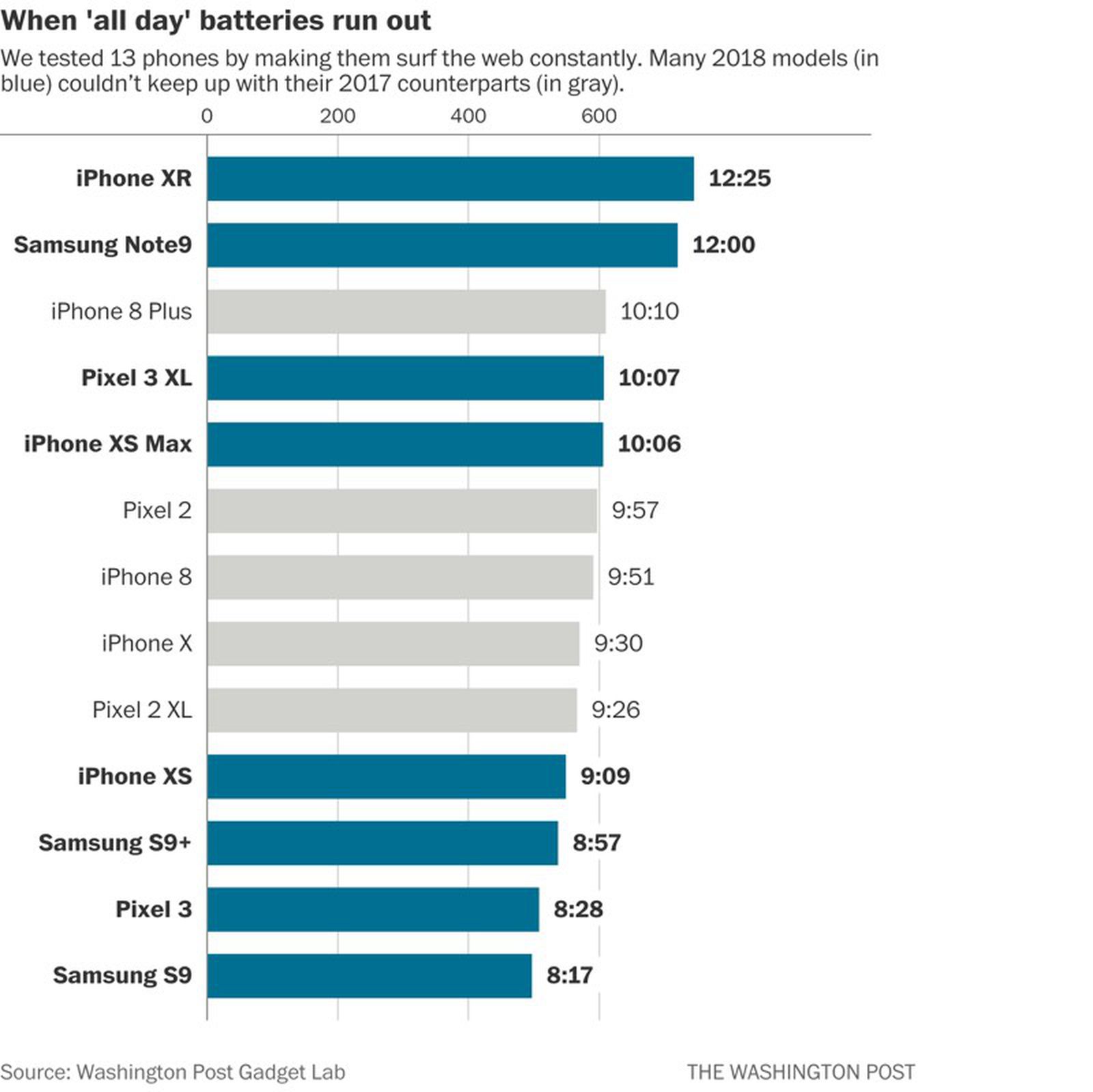
We’ll examine a range of devices across different price points, focusing on their battery performance under real-world conditions.
The Premium Segment: Flagship Battery Champions
Apple iPhone 15 Pro Max: Optimized Efficiency
Apple has made significant strides in battery efficiency with the iPhone 15 Pro Max. While its mAh rating might not be the highest on paper, the combination of the A17 Pro chip and iOS optimizations results in exceptional battery life. Real-world testing shows the device consistently lasting a full day with heavy usage, including video streaming, gaming, and photography. Apple’s focus on software integration and hardware efficiency shines through.
Samsung Galaxy S24 Ultra: Endurance and Fast Charging
The Samsung Galaxy S24 Ultra boasts a large battery capacity and advanced fast-charging capabilities. Its adaptive refresh rate display and optimized software contribute to impressive endurance. The Snapdragon 8 Gen 3 for Galaxy chipset provides excellent performance while managing power consumption effectively. Samsung’s focus on fast charging means users can quickly top up the battery when needed.
Google Pixel 8 Pro: AI-Powered Battery Management
Google’s Pixel 8 Pro leverages AI and machine learning to optimize battery life. The Tensor G3 chip, coupled with Android’s adaptive battery features, allows the device to learn user habits and prioritize power allocation. Google’s focus on software intelligence leads to a consistently reliable battery experience.
OnePlus 12: SuperVOOC Charging and High Capacity
OnePlus has prioritized fast charging and high battery capacity in the OnePlus 12. The inclusion of SuperVOOC charging technology allows for incredibly rapid charging speeds. The large battery ensures that the device can easily last a full day and often into the next, even with demanding tasks.
The Mid-Range Segment: Value-Oriented Power
Google Pixel 7a: Balanced Performance and Efficiency
The Pixel 7a offers a compelling balance of performance and battery life. Its Tensor G2 chip and optimized software provide a smooth user experience without sacrificing endurance. Google’s focus on clean Android and efficient software makes the Pixel 7a a reliable choice for budget-conscious users.
Samsung Galaxy A54: Solid Endurance and Reliable Performance
The Samsung Galaxy A54 impresses with its solid battery performance. Its large battery capacity and efficient Exynos 1380 chipset contribute to long-lasting usage. Samsung’s software optimizations and power-saving modes further enhance battery life.
Motorola Moto G Power (2024): Battery Life as a Key Feature
Motorola’s Moto G Power series has always prioritized battery life, and the 2024 edition is no exception. Its large battery capacity and efficient processor ensure that the device can easily last multiple days on a single charge. Motorola’s focus on simplicity and efficiency makes it a great option for users who prioritize battery life above all else.
Nothing Phone (2a): Stylish Design and Efficient Performance
The Nothing Phone (2a) offers a unique design and a focus on efficient performance. Its MediaTek Dimensity 7200 Pro chipset is optimized for power efficiency, and Nothing OS provides a clean and streamlined user experience. The device delivers impressive battery life for its price range.
While mAh ratings and manufacturer claims provide a starting point, real-world testing is crucial for assessing battery performance. Factors such as screen brightness, network connectivity, and app usage significantly impact battery life.
Video Streaming and Media Consumption
Streaming videos and consuming media are power-intensive tasks. Devices with efficient displays and optimized software perform better in these scenarios. The iPhone 15 Pro Max and Samsung Galaxy S24 Ultra excel in video playback tests.
Gaming and Performance-Intensive Tasks
Gaming and other performance-intensive tasks drain the battery quickly. Devices with powerful chipsets and efficient cooling systems can handle these tasks without significantly compromising battery life. The OnePlus 12 and Google Pixel 8 Pro demonstrate strong performance in gaming tests.
Everyday Usage: Calls, Browsing, and Social Media
For everyday usage, including calls, browsing, and social media, software optimization and background process management are critical. Devices with efficient software and intelligent power management, such as the Google Pixel series, provide consistent and reliable battery life.
Battery technology is constantly evolving, with ongoing research and development focused on improving energy density, charging speeds, and overall efficiency.
Solid-State Batteries: The Next Frontier
Solid-state batteries are considered the next major advancement in battery technology. They offer higher energy density, faster charging speeds, and improved safety compared to traditional lithium-ion batteries. While still in development, solid-state batteries hold the potential to revolutionize smartphone battery life.
Graphene Batteries: Enhanced Conductivity and Durability
Graphene batteries offer enhanced conductivity and durability, leading to faster charging speeds and longer lifespans. Graphene’s unique properties make it a promising material for future battery technologies.
Wireless Charging and Reverse Wireless Charging
Wireless charging and reverse wireless charging are becoming increasingly common features in smartphones. These technologies offer convenient charging options and the ability to charge other devices wirelessly.
Choosing the right smartphone for your battery needs depends on your usage patterns and priorities. If you prioritize maximum endurance, devices like the iPhone 15 Pro Max, Samsung Galaxy S24 Ultra, and OnePlus 12 are excellent choices. For budget-conscious users, the Google Pixel 7a, Samsung Galaxy A54, and Motorola Moto G Power (2024) offer reliable battery performance.
Ultimately, understanding the factors that influence battery life and considering your individual needs will help you make an informed decision. As technology continues to advance, we can expect further improvements in smartphone battery life, ensuring that our devices remain powered throughout the day.


