
Once a prominent name in the mobile phone industry, LG had a fascinating and at times, tumultuous journey in the smartphone market. For years, they were known for pushing boundaries and trying out unique concepts, even if not all of them stuck. Let’s take a deep dive into the world of LG smartphones, exploring their legacy, the innovations they brought, and what made them stand out, all in a casual, chatty style.
The Early Days and the Rise to Prominence
Remember when flip phones were all the rage, and then those funky slider phones started appearing? LG was right there in the mix. They weren’t just making generic candy bar phones; they were often experimenting with form factors and designs that caught your eye. Think about the LG Chocolate, for instance. It was sleek, had touch-sensitive controls, and really pushed the idea that a phone could be a fashion statement. This early period was crucial for LG to build its brand in the mobile space, laying the groundwork for their eventual jump into smartphones. They were known for solid build quality and often user-friendly interfaces, even before Android really took off.
Venturing into the Smartphone Era: Optimus and Beyond

When Android burst onto the scene, LG was quick to adapt. Their “Optimus” series became their flagship line for Android smartphones. These phones started to showcase LG’s commitment to innovation, even if it wasn’t always perfectly executed. They were trying new things with displays, cameras, and even software features. While some early Optimus models might seem rudimentary by today’s standards, they were important steps in LG’s journey to becoming a serious contender in the burgeoning smartphone market. They began to compete with the likes of Samsung and HTC, carving out their own niche with unique propositions.
The Peak of Innovation: G Series and V Series
This is where things got really interesting for LG. The “G” series, starting with the LG G2, truly put them on the map as a premium smartphone manufacturer. The G2 introduced the rear-mounted buttons, which was a bold design choice that some loved and others found a bit odd, but it definitely made the phone unique. Then came the LG G3, which was one of the first mainstream phones to rock a Quad HD display – talk about sharp visuals! LG was often at the forefront of display technology, making screens that really popped.
Exploring the G Series’ Quirks and Strengths

The LG G4 continued this trend, offering an optional leather back that gave it a distinct, premium feel. It also focused heavily on camera performance, which became a recurring theme for LG. They often packed their phones with manual camera controls that appealed to photography enthusiasts. However, the G5 was a bit of a departure, introducing a modular design that allowed users to swap out the phone’s “chin” for accessories like a camera grip or an enhanced audio module. While innovative, the modular concept didn’t quite catch on with consumers, perhaps due to its practical limitations and the rise of seamless, sealed designs in competitors.
The Multimedia Marvels: LG V Series
Alongside the G series, LG launched the “V” series, which was aimed squarely at multimedia creators and consumers. These phones often featured a secondary display for notifications and quick shortcuts (like on the LG V10), or even dual screens (as seen with the LG V60 ThinQ Dual Screen accessory). The V series was also known for its fantastic audio quality, often incorporating a Quad DAC for a superior headphone experience, which was a huge draw for audiophiles. And the video recording capabilities were usually top-notch, with advanced manual controls and features like “Steady Record.” LG was really trying to differentiate itself by focusing on these niche, but important, aspects of the smartphone experience.
Unique Features and Bold Experiments
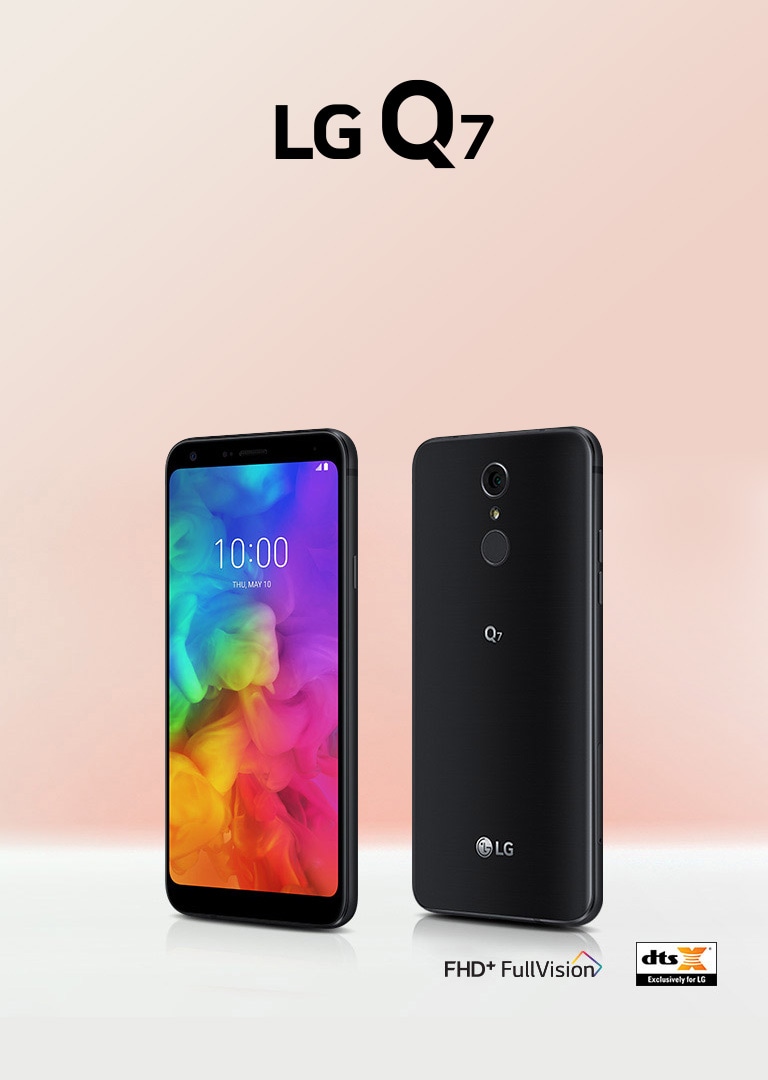
LG wasn’t afraid to be different. While some of their experiments didn’t become industry standards, they certainly showed a willingness to innovate.
The Wild World of LG Wing and Dual Screen
One of the most recent and arguably wildest experiments was the LG Wing. This phone featured a swiveling main screen that, when rotated, revealed a smaller secondary display underneath. The idea was to allow for unique multitasking scenarios, like watching a video on the main screen while having social media open on the smaller one. It was a truly novel concept, though it faced challenges in app optimization and wider consumer adoption. Similarly, the Dual Screen accessory for phones like the LG G8X ThinQ and V60 ThinQ offered a more practical approach to dual-screen functionality, allowing users to effectively run two apps side-by-side on two separate displays. This was LG’s answer to foldable phones, providing a multi-screen experience without the premium price tag.
Knock Code, Quad DAC, and Other Innovations
Beyond the radical form factors, LG also brought some smaller, yet impactful, innovations. “Knock Code” allowed users to unlock their phones by tapping a specific pattern on the screen, even when it was off. While eventually overshadowed by fingerprint scanners, it was an interesting take on security and convenience. The aforementioned Quad DAC in the V series was a significant differentiator for audio quality. They also invested heavily in ultrawide cameras long before they became commonplace on most smartphones, giving users more creative freedom with their photography. LG’s displays were also often praised for their vibrant colors and sharpness, and they were among the first to bring features like wireless charging to some of their flagship devices.
The Challenges and Eventual Exit
Despite their innovative spirit and strong features, LG faced an uphill battle in the increasingly competitive smartphone market. They struggled to keep up with the marketing budgets and rapid release cycles of giants like Samsung and Apple, and increasingly, Chinese manufacturers. Software updates were sometimes inconsistent, which could be a frustration for users. While LG phones often had impressive hardware, their overall software experience and ecosystem sometimes lagged behind competitors. The modular approach of the G5, while forward-thinking, didn’t resonate with the mass market, and later experimental devices like the Wing, while fascinating, didn’t provide the widespread appeal needed to turn the tide.
In April 2021, LG made the difficult decision to exit the smartphone business. It was a sad day for many who appreciated their willingness to try new things and push design boundaries. While their phones might not have always been perfect, they certainly added a unique flavor to the smartphone landscape.
Conclusion
LG’s journey in the smartphone world was a rollercoaster of innovation, bold design choices, and ultimately, a tough fight against fierce competition. From the stylish Chocolate to the multimedia-focused V series and the experimental Wing, LG consistently tried to offer something different. While they may no longer be producing new smartphones, their legacy of pushing boundaries in display technology, audio quality, and unique form factors remains. They were a company that dared to be different, and for that, many enthusiasts will remember them fondly. Their devices, though sometimes niche, offered compelling alternatives to the mainstream, leaving an undeniable mark on the evolution of the smartphone.
5 Unique FAQs After The Conclusion
1. What was LG’s most iconic smartphone innovation?
LG had many unique innovations, but perhaps the most iconic, or at least the most talked about for its sheer audacity, was the LG Wing with its swiveling dual-screen design. While not a commercial success, it truly exemplified LG’s willingness to experiment with form factors in a way few other manufacturers dared.
2. Why did LG’s modular phone (LG G5) not succeed?
The LG G5’s modular design, while innovative, likely didn’t succeed for several reasons. The modules themselves were limited in functionality and variety, requiring users to physically detach and reattach parts, which wasn’t always convenient. Furthermore, consumers at the time were leaning towards sleek, unibody designs, and the modular concept added complexity without a compelling enough everyday benefit for the majority of users.
3. How did LG smartphones stand out in terms of audio quality?
LG smartphones, particularly those in the V series (like the LG V30, V40, V50), stood out for their exceptional audio quality due to the inclusion of a dedicated Quad DAC (Digital-to-Analog Converter). This component significantly enhanced the audio output through wired headphones, providing a richer, more detailed sound experience compared to most other smartphones on the market.
4. What was the “Knock Code” feature on LG phones?
“Knock Code” was a unique security and convenience feature on many LG smartphones. It allowed users to unlock their phone by tapping a specific pattern on the screen, even when the screen was off. This offered an alternative to traditional PINs or patterns and provided a quick way to access the device.
5. Is it still possible to get software updates for older LG smartphones?
Unfortunately, as of June 30, 2025, LG has officially ceased providing software updates, including security patches and operating system upgrades, for its smartphones. This means that users with older LG devices will no longer receive official over-the-air (OTA) updates, and related services like LG Bridge have also been discontinued.


